
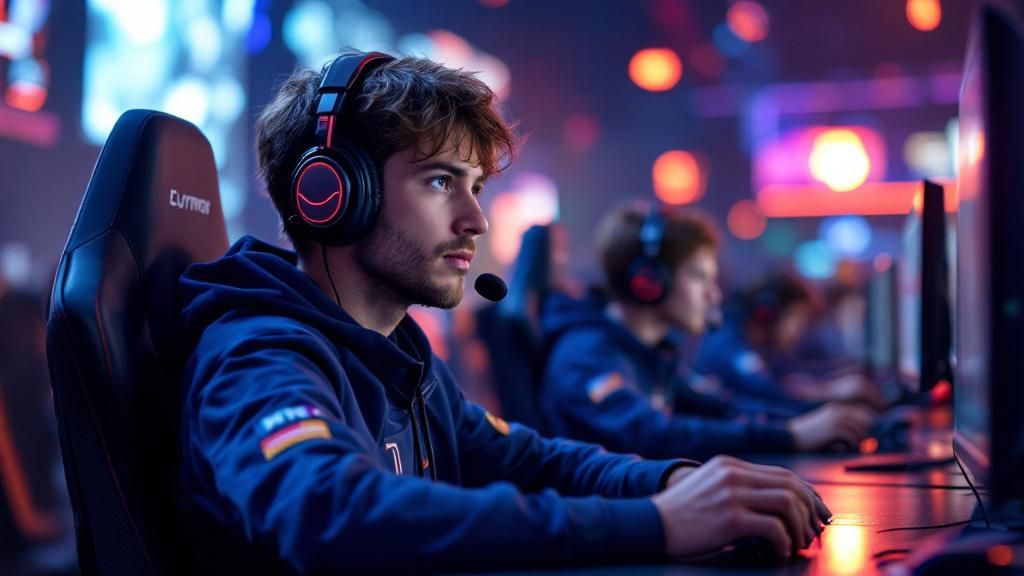
The esports industry has advanced substantially in prioritising competitor wellbeing. Leading esports bodies have jointly unveiled a extensive competitor welfare framework, tackling persistent issues about mental health, working conditions, and fair treatment within the professional gaming sector. This significant undertaking constitutes a pivotal moment for esports legitimacy, creating minimum standards that could transform how the industry operates. We examine the framework’s principal elements, the entities leading this transformation, and what it means for competitors and the esports ecosystem moving forward.
Comprehensive Industry Pledge to Player Wellbeing
The joint initiative between leading esports organisations marks a significant milestone for athlete safeguarding within competitive gaming. This integrated system demonstrates the sector’s real dedication to developing enduring guidelines that emphasise player health alongside sporting achievement. By sharing assets and experience, these organisations have established thorough standards addressing bodily fitness, psychological wellbeing, and workplace protection. The initiative reflects growing recognition that player welfare directly influences competitive performance and sustained careers, making it essential for the industry’s standing and expansion.
Tournament administrators have confirmed that previous standards were scattered and uneven, leaving players vulnerable to overwork and exhaustion. The revised structure standardises expectations across major competitions, ensuring every professional competitor obtains equal support and availability of vital assistance. This unified strategy eliminates competitive disadvantages arising from varying welfare provisions and sets fair competition standards. Industry experts emphasise that these standards constitute baseline expectations, urging bodies to surpass fundamental requirements and foster genuinely supportive environments where players can thrive across professional and personal dimensions.
Essential Elements of the Welfare Provision
The newly established welfare framework comprises multiple linked pillars intended to safeguard player welfare completely. These elements cover psychological wellbeing support, physical fitness, equitable employment terms, and transparent dispute resolution mechanisms. By bringing these provisions together, tournament operators aim to establish an integrated system that recognises esports athletes as competitive professionals entitled to robust protections. The framework establishes essential standards that all participating tournaments must implement, guaranteeing consistent player safeguards across the professional gaming environment.
Mental Wellness Care Services
Acknowledging the mental health challenges present within esports at a professional level, the framework requires availability of mental health professionals for every competing player. Event organisers should offer confidential therapy services, via direct provision or partnerships with accredited mental health professionals. These services encompass managing stress, performance anxiety support, and crisis support resources. Players gain access to experienced psychologists who understand esports-specific challenges, encompassing online harassment, high-level competitive stress, and uncertain career prospects.
The framework also requires tournaments to implement mental wellbeing education initiatives and stigma-reduction efforts across the community. Organisers need to train players, coaches, and staff about identifying wellbeing issues and accessing appropriate support. Ongoing assessments and wellness monitoring systems assist in detect struggling players early, allowing proactive intervention before situations progress into severe mental health emergencies.
Physical Wellbeing Requirements
Tournament operators must create detailed wellness standards addressing ergonomics, recovery intervals, and medical oversight. The framework stipulates appropriate chairs, screen placement, and breaks to prevent overuse injuries frequently seen in esports professionals. Medical staff must attend at major tournaments to handle pressing health problems, whilst organisers are required to give advice about injury prevention and suitable medical facilities for sustained athlete progression.
Environmental circumstances at tournament venues are now governed by strict requirements ensuring player comfort and safety. Regulations cover temperature control, lighting standards, and noise levels to deliver optimal competitive conditions. Additionally, the framework supports players to have periodic health checks and provides guidance on diet, sleep hygiene, and exercise routines essential for sustained professional performance in esports.
- Ergonomic equipment assessments performed by qualified specialists
- Required breaks during competitions preventing athlete fatigue
- Medical personnel on location available during all tournament proceedings
- Injury reduction education and recovery programme access
- Wellness tracking systems monitoring player wellbeing throughout seasons
Rollout Schedule and Requirements
The framework will be rolled out in three different phases, commencing immediately with initial evaluations across member organisations. Tournament operators have pledged to completing first audits of their existing operations by the first quarter deadline, pinpointing differences between current procedures and the new standards. This initial stage ensures a thorough understanding of each organisation’s baseline position before making material alterations. Subsequent phases will encompass staff training, policy updates, and the establishment of autonomous monitoring systems to secure conformity and transparency throughout the esports industry.
The standards themselves include mandatory provisions covering mental health support, sensible practice arrangements, and transparent prize distribution protocols. Each organisation should establish a dedicated player welfare officer tasked with handling grievances and ensuring adherence to guidelines. Periodic reviews, performed by third-party bodies, will assess conformity and pinpoint aspects needing enhancement. These thorough safeguards set defined targets for player protection, with compliance procedures including financial penalties and prospective event bans for organisations unable to meet required standards.
Sector Response and Future Perspective
The initiative has garnered strong backing from participants throughout the professional esports landscape. Professional player groups have endorsed the framework as a necessary step towards elevating the professionalism of the space, whilst team owners and sponsors recognise the opportunity for greater credibility and sustainability. Hardware producers and streaming platforms have pledged to incorporate player welfare into their operations, illustrating a collective commitment to structural reform. Preliminary evidence point to the fact that oversight organisations and public sector leaders perceive the guidelines favourably, possibly opening the door to legislative recognition of competitive gaming as a established professional field.
Looking ahead, sector analysts predict that this framework will serve as a template for global adoption, with regional tournaments and smaller competitions expected to implement comparable standards. The initiative is likely to inspire ongoing discussion regarding athlete remuneration, professional progression routes, and mental health resources. As esports continues its meteoric growth, these welfare standards represent a crucial safeguard guaranteeing that competitive gaming stays sustainable, inclusive, and respectful for all participants, ultimately reinforcing the industry’s standing as a genuine professional discipline.
